
Lilygo T-Beam 1W
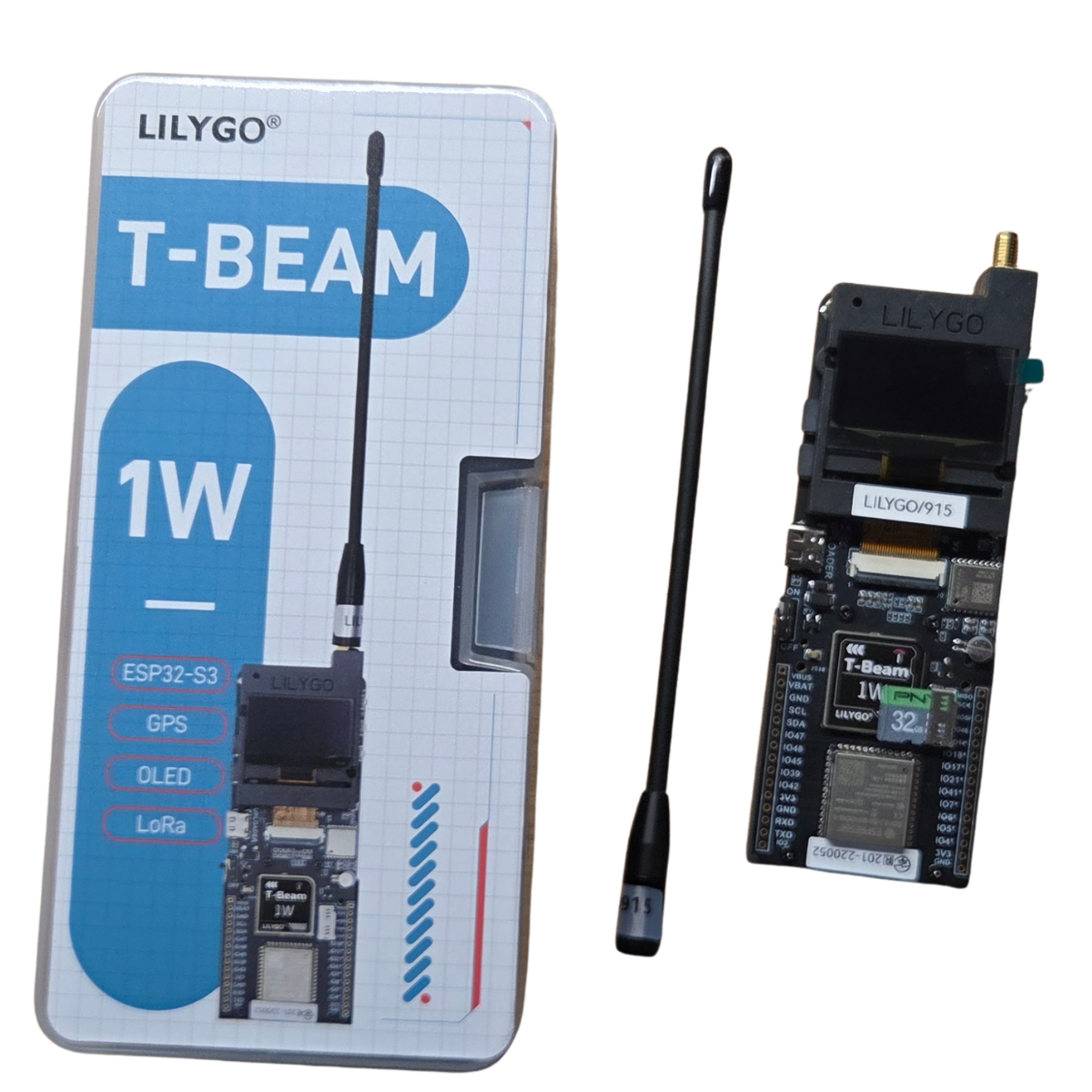
The Lilygo T-Beam 1W is an ESP32-based LoRa development board, offering increased power beyond that of a typical mesh node.
I have experimented quite a bit with adding external amps ranging from 1 watt all the way up to 50 watts, so was really looking forward to figuring out what this thing can do.
A mesh node with built-in amp seems like a perfect match.
About this Board
Lilygo didn’t seem to publicize the release of this dev board too much, because the first I heard of it was while purchasing a different product form Lilygo’s site.
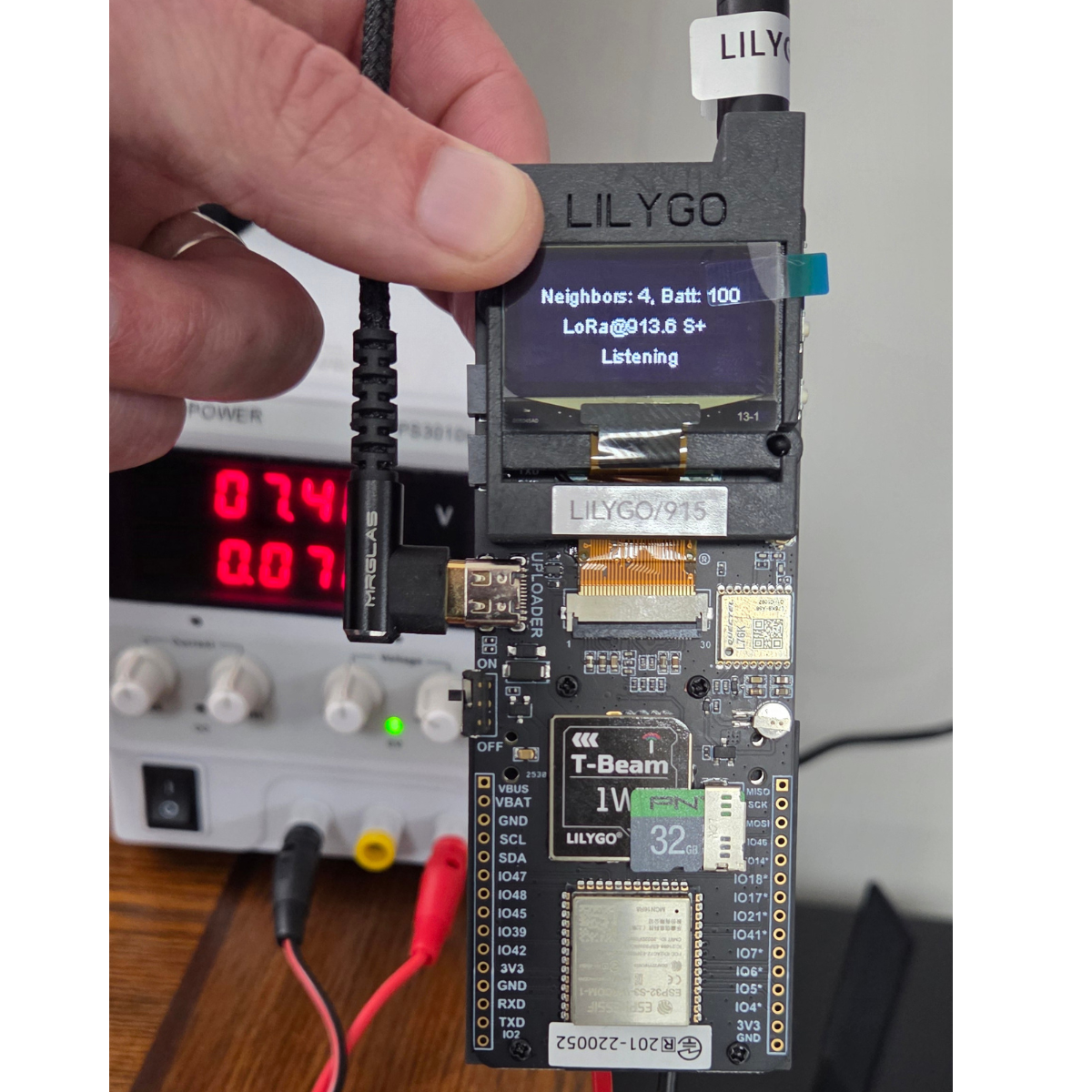
Specs:
Processor: ESP32-53FN8 Dual Core LX7
Flash Size: 16 MB
PSRAM: 8 MB
Frequency Range: 830-950 MHz
Onboard BLE & 2.4 GHz WiFi
Power: Max 32dBm (~1.6 Watts!? Lilygo’s doc says 1.3)
Battery Needed: F550 7.4v
GPS: Yes (UART)
Initial Observations
Nice Features
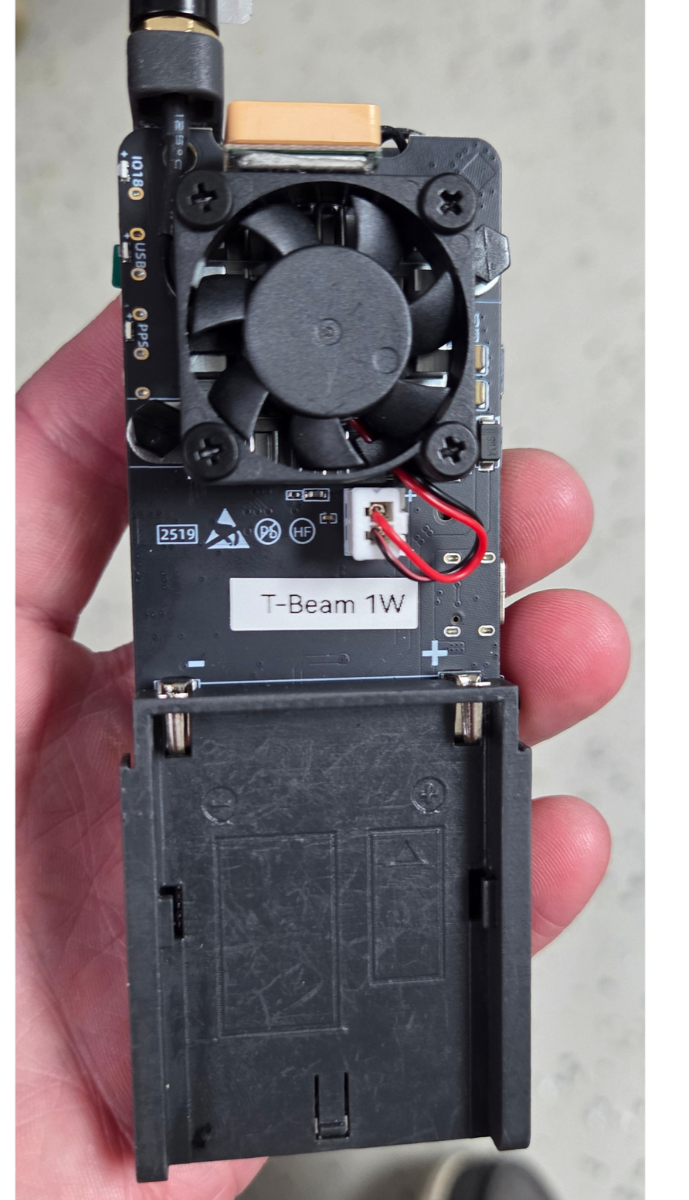
GPS is included, just like T-Beam Supreme, which is nice to see
Cooling Fan right on the back for keeping the amp cool - excellent
Easy Battery Swap assuming the enclosure allows battery access
Qwiic Plug Ports for both UART and IIC - this is very good!
Rubber Ducky Antenna is included, I’ll test this too
Neutral or Less Good (undecided)
No Realtime Clock - Kind of a negative, but then again I’d rather use a DS3231 on the IIC port anyway, so maybe this is better
USB Does NOT Charge Battery - The USB port is only for connecting to PC/etc. It does not charge the battery.
No enclosure options yet (that I could find)
Testing Preparation
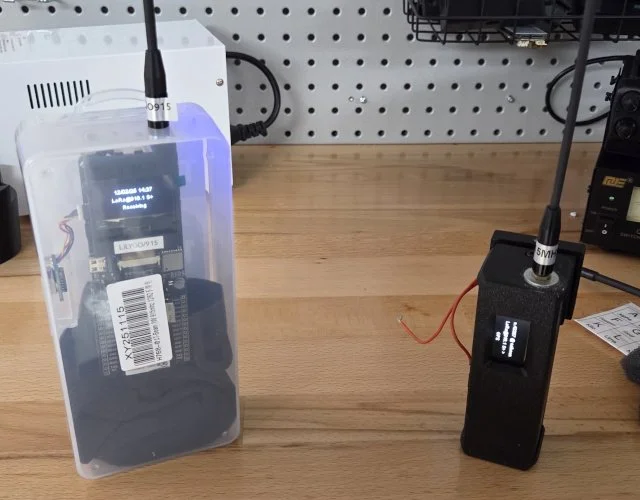
Since there are no enclosure options yet, and I didn’t want to be carrying this thing around by the PCB, I fashioned an enclosure using the plastic container it came in.
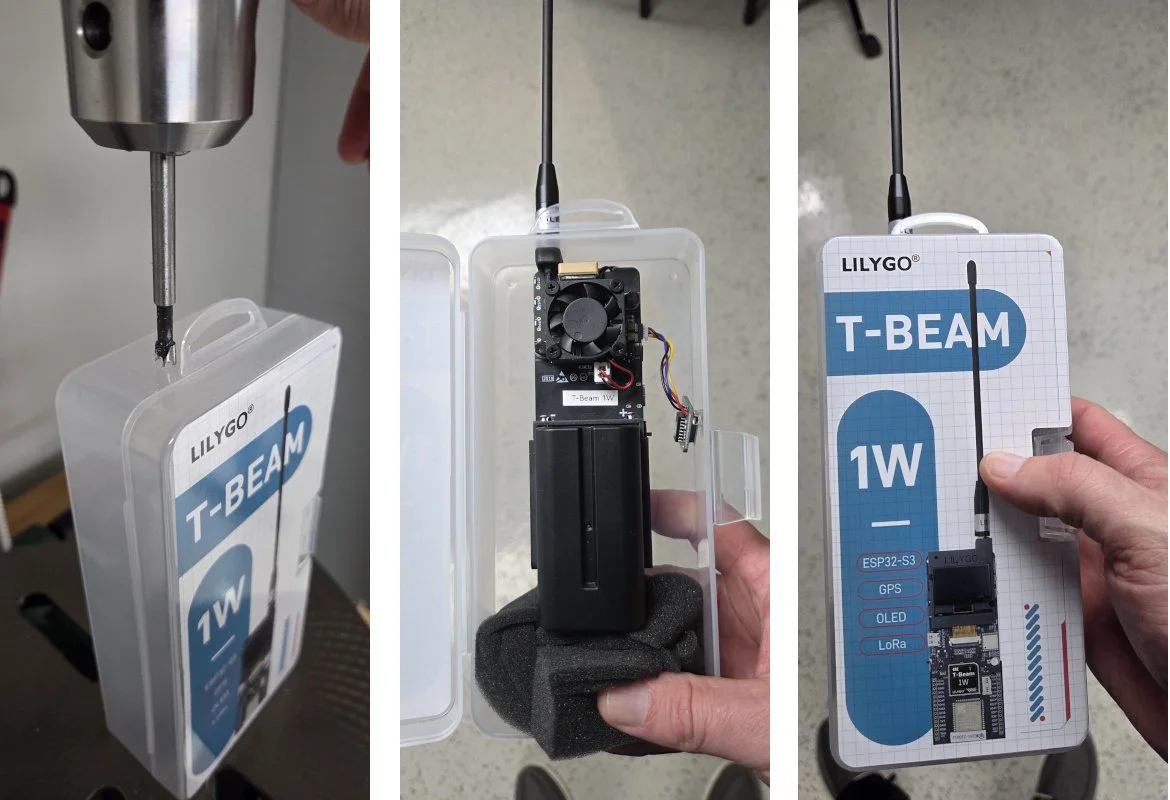
Also, you may notice the DS3231 realtime clock hanging off the T-Beam. I added that so it can more easily stay in sync with the time of my cluster, and instantly start up without having to rely on GPS or any outside source for time.
Firmware Port

In order to measure strength signal, performance, and compare with other devices I’ve tested, I ported the Blackout Comms firmware to the device. This particular node is a little trickier, as you have to not only remap pins/etc, but…
The LNA (low noise amplifier) needs to be disabled any time you’re about to TX, or the radio can be permanently damaged. It needs to be re-enabled for receive mode. Blackout Comms switches between TX/RX mode often multiple times per second.
There is some other low-level timing controls that need to be put in place. I probably need to tune the timings a little better, but they are working pretty well at this point for the T-Beam 1W.
Additionally, the fan (other models don’t have) needs to be controlled, so I need to read the T-Beam’s temp every so often and turn the fan on if it gets too hot.
Testing as Tracker / Node
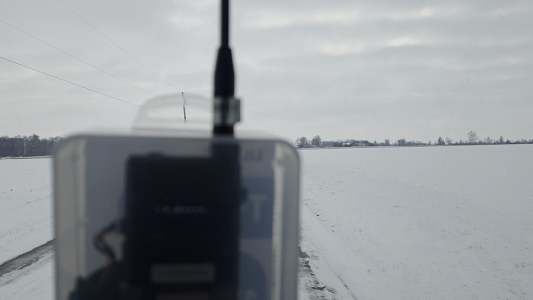
I took the T-Beam out and tested connectivity with my 2 base stations. Stopping at various distances, I checked to see whether the T-Beam 1W could see my base stations and whether my base stations could see the T-Beam.
6.5 Miles Connectivity both ways
9.5 Miles Connectivity both ways
11 Miles T-Beam can receive from base stations, but can’t transmit all the way (it’s not visible to my base stations at this distance).
T-Beam 1W vs T-Beam Supreme
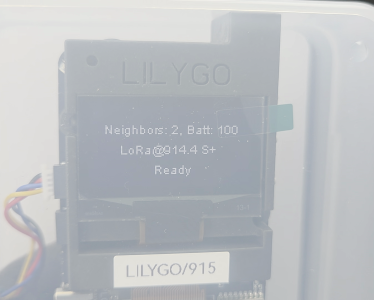
The T-Beam Supreme is so similar to the T-Beam 1W, it seemed like a very good way to test the effect of the 1.3W amp. So, I used a T-Beam Supreme I had in my cluster (motion sensor / relay) and ran the two side by side.
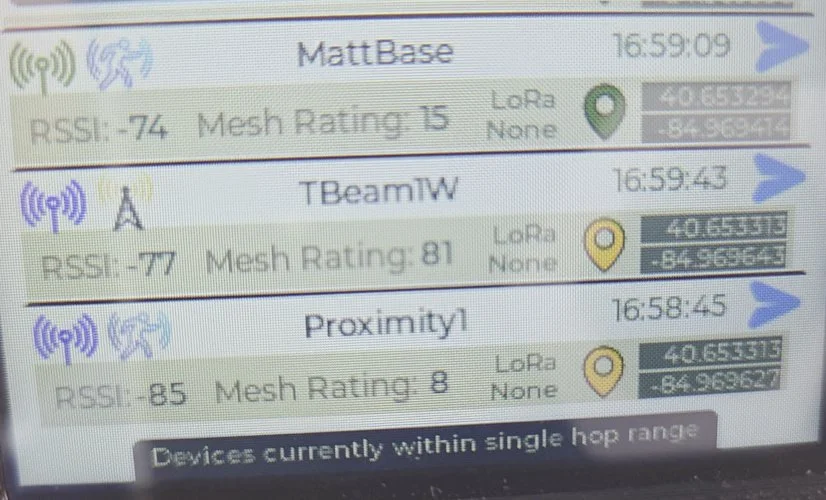
I put both devices on a ladder and drove out 1 to 1.5 miles, checking the RSSI and connectivity of both devices at those distances.
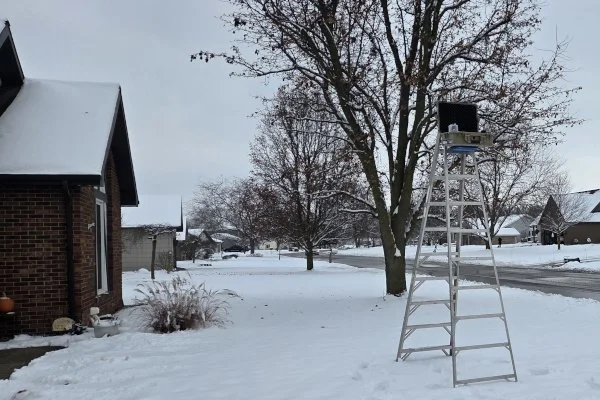
The RSSI shown here is typical of what I found testing T-Beam 1W vs T-Beam Supreme for side-by-side signal strength. Both are good devices, but the 1W obviously has more transmit power.
Testing T-Beam 1W as a Base Station
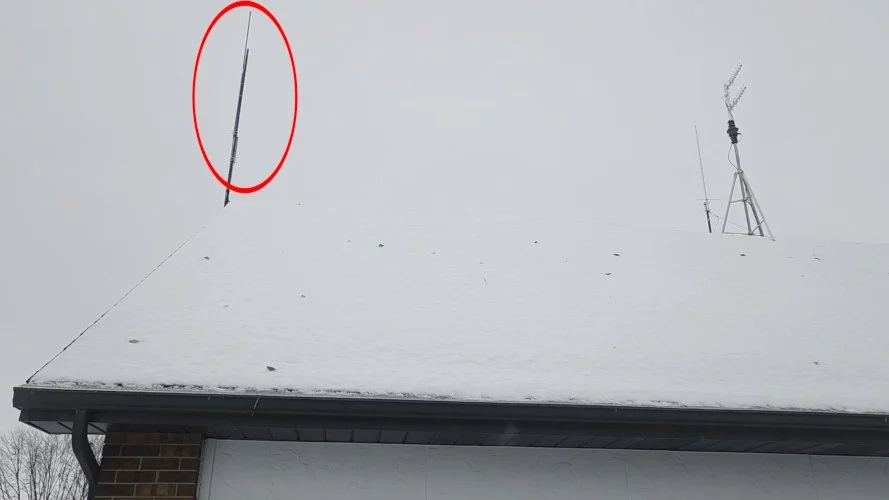
I paired the T-Beam 1W with an 86” omni antenna on my roof, and drove out a to a couple of distances to see whether it’s got decent performance in that role.
I left my secondary base station (MattBase2) running, connected to the yagi array.
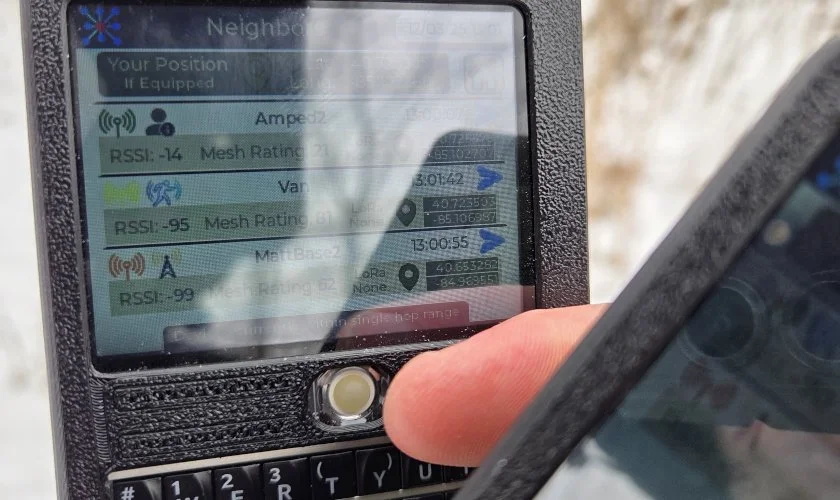
As a base station connected to a good omni antenna, the T-Beam 1W performs well at a coverage radius of up to 4 miles, with basic equipment (T-Decks / Pagers).
If you have T-Decks with amps or if you’ve got other very good antennas (and possibly amps) in the mix, you can stretch that distance.
At 8.5 miles, I was getting connectivity with my actual base station, no problem, even through woods & brush. However, the T-Beam 1W could not do the same.
Conclusions
As a mobile tracker or node, the T-Beam 1W definitely pushes more power and better performance than a similar un-amped node (T-Beam Supreme).
In reality, the extra power doesn’t yield quite the results I was hoping for, but it id definitely a decent improvement.
In my opinion, you will get better performance from a T-Beam Supreme (or similar) and a Sunhans 1 Watt amp, at the cost of…well higher cost, and more space.
It could function as a pretty decent base station, but in my area (flat/rural) I would expect a direct coverage radius of less than 5 miles, in near perfect conditions, if you’re using standard T-Decks and Pagers. Amped T-Decks or other amped devices will raise that.
This device is very new, so it’s possible that firmware upgrades could push the performance of this device closer to its true potential.

If you don’t want to spend $100+ on just an amp, this is worth a try assuming you have an amateur radio license.